A grooming schedule should match the individual dog’s coat, skin, nails, ears, mouth, health, activity, and tolerance for handling. A generic weekly or monthly rule cannot fit every dog.
Ask a veterinarian or qualified groomer to demonstrate unfamiliar care. Stop if the dog is in pain, the task feels unsafe, or the equipment is not appropriate.
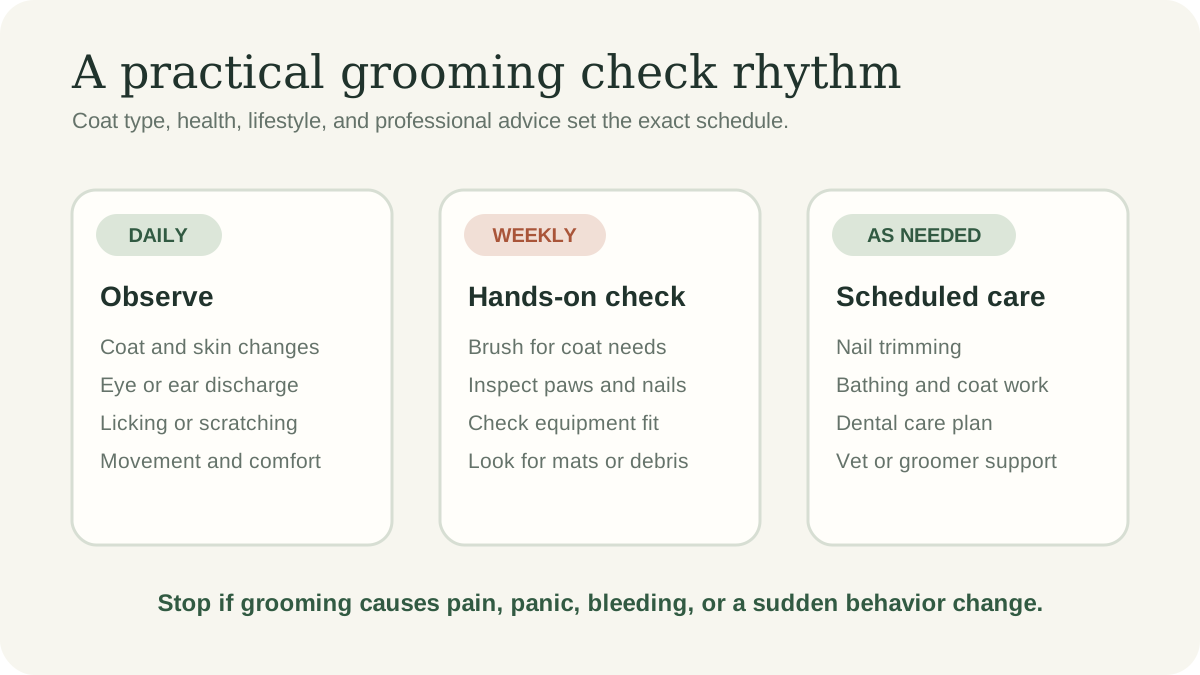
Divide grooming into short checks
| Area | What to observe | Who may need to help |
|---|---|---|
| Coat and skin | Tangles, mats, debris, redness, lumps, parasites, odor | Groomer or veterinarian |
| Nails and feet | Length, cracks, broken nails, pads, hair between toes | Groomer or veterinary team |
| Ears | Odor, discharge, redness, scratching, sensitivity | Veterinarian for symptoms |
| Teeth and mouth | Breath change, tartar, redness, broken teeth, pain | Veterinary team |
| Eyes and face | Discharge, redness, rubbing, hair irritation | Veterinarian for changes |
| Equipment areas | Rubbing under collar, harness, or clothing | Trainer, fitter, or veterinarian |
A quick calm check may be more useful than one long session the dog cannot tolerate.
Match coat care to the coat
Short coats may need regular brushing for loose hair and skin observation. Double coats can change seasonally. Long, curly, silky, or continuously growing coats may require frequent detangling and professional trimming.
Do not cut out a tight mat near the skin with household scissors. Skin can be pulled into the mat. Ask a groomer or veterinary professional for safe removal.
Bathing is individual
Bathing frequency depends on coat, skin, activity, medical needs, and veterinary advice. Use dog-appropriate products and rinse and dry thoroughly. Human products may not suit a dog’s skin.
A dog with itching, odor, hair loss, sores, or repeated ear problems needs veterinary assessment rather than increasingly frequent bathing.
Build nail and foot handling gradually
Introduce touching the shoulder, leg, paw, and individual toes in tiny steps, pairing each comfortable step with a reward. The first session may involve no trimming.
Ask a professional to show where and how to trim. For dark nails, anxious dogs, painful feet, or a previous injury, professional support may be safer.
Ears and teeth need separate plans
Do not insert objects or unapproved products into the ear canal. Redness, pain, strong odor, discharge, head shaking, or repeated scratching needs veterinary guidance.
For dental care, ask the veterinary team about brushing technique and appropriate products. Read Dog Dental Care at Home for a gradual starter plan.
Create a sustainable calendar
- Brief routine check: coat, feet, eyes, equipment areas
- Scheduled home care: brushing, handling practice, dental routine
- Professional appointments: clipping, coat work, nail care, or medical grooming as needed
- Seasonal review: shedding, mud, heat, snow, allergens, and travel
- Veterinary review: pain, skin change, ear symptoms, oral concerns, or sudden handling sensitivity
The exact frequency should come from the individual dog’s needs, not this list.
Make grooming cooperative
Use a non-slip surface, good lighting, short sessions, and frequent breaks. Let the dog move away when safe. Teach a start position, reward calm participation, and stop before frustration rises.
A dog who growls, freezes, snaps, panics, or cannot be handled safely needs a modified plan from a veterinarian, qualified groomer, or behavior professional. Do not force completion.
A good schedule prevents discomfort, catches changes early, and remains calm enough that the dog and caregiver can repeat it consistently.
This guide is general information, not a diagnosis or a personal feeding plan. For concerns about your dog’s symptoms, treatment, or diet, contact your veterinarian.
Editorial source check
Sources and scope checked by Dogward Editorial
Checked . This confirms the source record and editorial boundaries; it is not a claim of veterinary or clinical review.
Sources & further reading
Use these references to explore the topic in more depth. Links open the original publisher’s site. See how Dogward selects and checks sources.
- Dog Grooming TipsASPCA
- General Dog CareASPCA